Niacin And Circulation: The Supporting Ingredient, Explained
Niacin (vitamin B3) is best known for its role in cellular energy metabolism, but it also has a separate, well-documented relationship with blood vessels at higher doses.
Two different roles worth understanding separately, since they operate through different mechanisms and at different doses.
Niacin's primary role: cellular energy
Niacin is a precursor to NAD+ and NADP+, two coenzymes central to how cells convert food into usable energy. This is niacin's everyday nutritional role, relevant at standard dietary intake levels, and it is the more straightforward of its two functions. The NIH Office of Dietary Supplements covers this in detail.
Niacin's separate vascular effect
At much higher doses — typically 500 mg to several grams, well above standard nutritional intake — niacin has a well-documented effect on blood vessels, historically used in medical settings for cholesterol management. This high-dose effect is associated with a distinctive side effect called the ‘niacin flush’ — a temporary warming and reddening of the skin caused by vasodilation.
Why it fits a circulation-focused formula either way
Whether present at a standard nutritional dose or something higher, niacin is a reasonable inclusion in a circulation-and-energy-focused formula: it directly supports cellular energy metabolism regardless of dose, and has a plausible (dose-dependent) connection to the vascular side of the formula's positioning.
Applying this to VapoCept
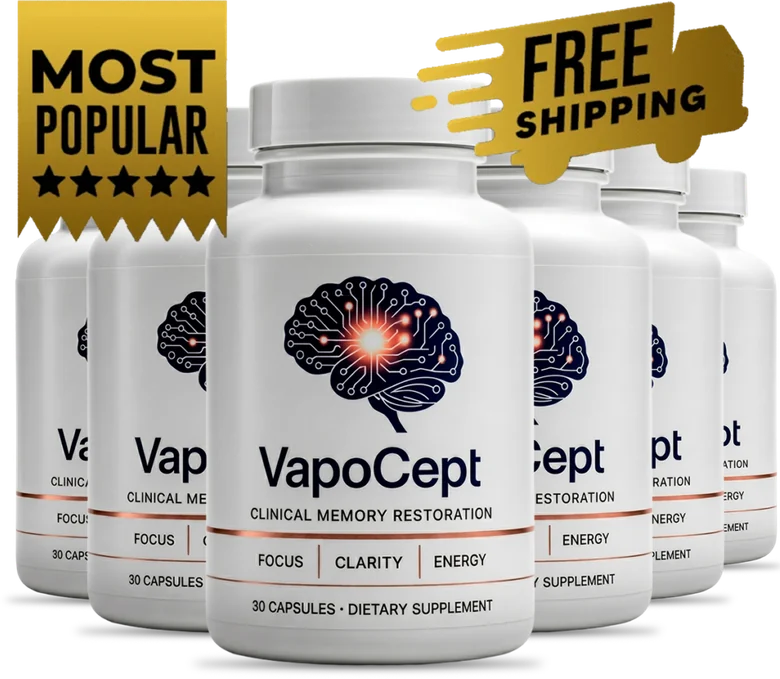
Niacin is one of six ingredients in VapoCept's formula, alongside the arginine and citrulline forms doing the more direct circulation work. As with the rest of the formula, the specific dose is not disclosed, which means it is not possible to know whether niacin here is functioning primarily as a nutritional support ingredient or contributing meaningfully to the vascular angle.